
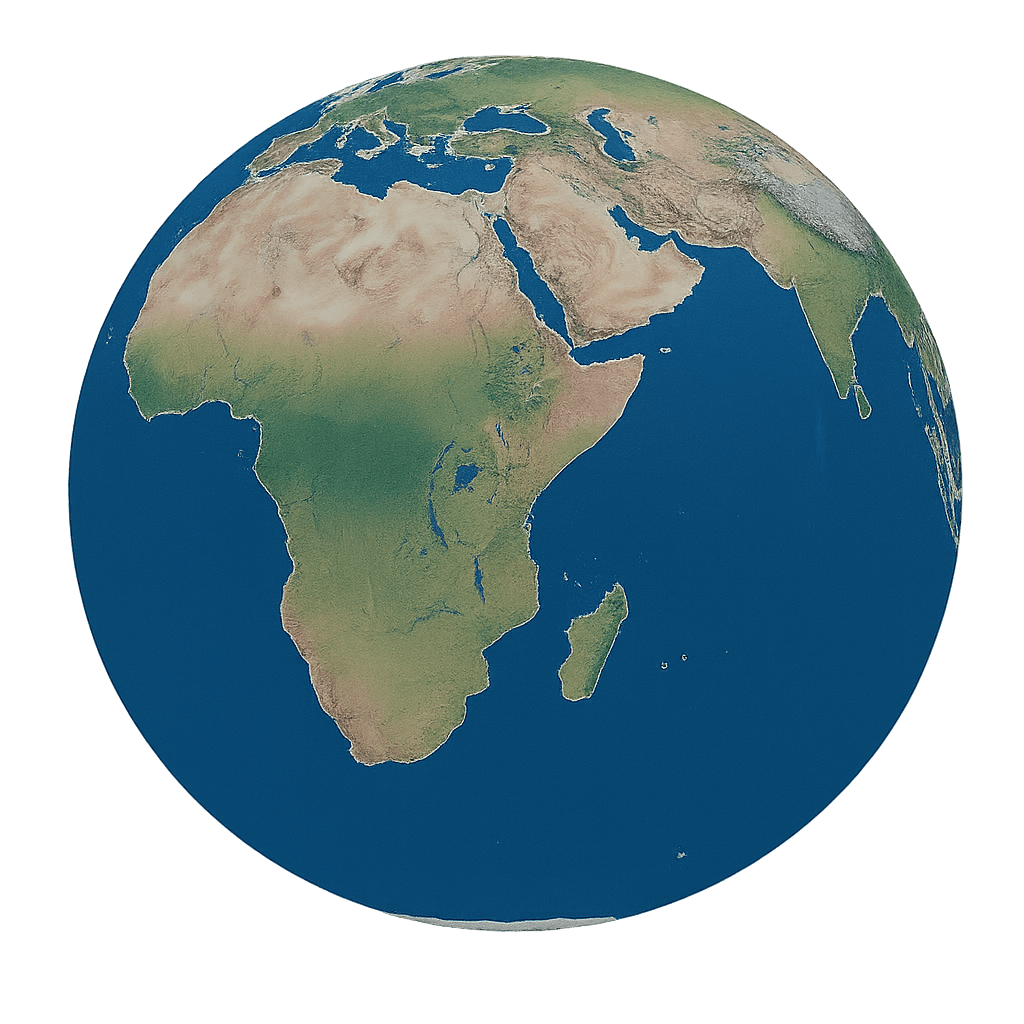
Climate & Child Health: UNICEF warns that a “supersized” El Niño could affect 162+ million children across Eastern and Southern Africa, with drought, extreme heat, and flooding threatening nutrition, health services, safe water, sanitation, and schooling—Djibouti is named among the high-risk countries. Public Health Preparedness: UNICEF says less than 1% of international aid is currently available for anticipatory action, urging faster support to strengthen nutrition services and protect children before impacts peak. Health & Access to Care: The same El Niño risk is expected to worsen disease outbreaks as health systems get overstretched, especially where displacement and food insecurity rise. Local Health Environment: Exim Bank Tanzania marked its 29th anniversary with community clean-up campaigns and donations of cleaning equipment to markets, hospitals, and schools—an indirect but practical boost for hygiene and disease prevention. Health Systems & Infrastructure: WIOCC secured $300m to expand fibre networks and data centres across Africa, a move that can support faster health information and service delivery as digital demand grows.
AGP Executive Report
Your go-to archive of top headlines, summarized for quick and easy reading.
Note: AI summary from news headlines; neutral sources weighted more to help reduce bias in the result. Feedback is welcome. Please let us know if you have any comments or suggestions about the AGP Executive Report.
Climate & Child Health: UNICEF warns that “supersized” El Niño could affect 162+ million children across Eastern and Southern Africa, with Djibouti among the at-risk countries; intensifying droughts, extreme heat, and flooding threaten nutrition, health, safe water and sanitation, education, and safety, while health services are already overstretched. Regional Health Support in Conflict Zones: AUSSOM’s Mogadishu field hospital continues to treat both troops and civilians, with medical teams (including Uganda Battle Group leadership) running outpatient care and surgeries under heavy demand. Health-Linked Infrastructure: WIOCC secured $300m to expand fibre, data centres, and subsea infrastructure across Africa—important for future digital health services as internet access remains low. Community Wellness via Banking: Exim Bank Tanzania marked its 29th anniversary with clean-up campaigns and donations of cleaning equipment to markets, hospitals, and schools, linking environmental cleanliness to community health. Local Health Context: Ethiopia’s wheat self-sufficiency report notes reliance on Port of Djibouti for imports—relevant for food supply stability and downstream nutrition planning.
El Niño Health Alert: UNICEF warns 162+ million children across Eastern and Southern Africa are at risk from the intensifying 2026–2027 El Niño, with drought, extreme heat, and flooding threatening nutrition, health, safe water and sanitation, and over-stretched services—Djibouti is named among the most vulnerable. Somalia Care on the Ground: AUSSOM’s Mogadishu field hospital continues to treat both troops and civilians, with Lt. Dr. Victoria Namagga leading medical work for the Uganda Battle Group and supporting local communities. Somalia Security Timeline: Uganda’s armed forces chief says all UPDF troops will withdraw completely from Somalia by 1 August 2027, raising questions about how health and humanitarian access may be affected during the transition. Satellite Internet Licensing Gap: Starlink is live across much of Africa, but Ethiopia (and Djibouti is listed) lacks a committed service date due to licensing—meaning clinics and households may stay offline longer. Wheat Supply and Prices: Ethiopia reports wheat self-sufficiency after its National Wheat Flagship Program, but prices remain high and nearly 90% of demand has relied on imports via the Port of Djibouti. Digital Infrastructure Push: WIOCC secured $300m to expand fibre, data centres, and subsea networks—potentially improving connectivity for health systems across the region.
El Niño warning for Djibouti and region: UNICEF says more than 162 million children across Eastern and Southern Africa are in areas vulnerable to the intensifying 2026–2027 El Niño, with drought, extreme heat, and flooding threatening nutrition, health, safe water and sanitation, education, and safety; UNICEF flags urgent risks in Djibouti among other countries and notes that less than 1% of humanitarian support is currently available for anticipatory action. Somalia flooding and health risk planning: A Greater Horn early warning points to wetter-than-normal conditions for Oct–Dec 2026, with heavy rains expected to affect agriculture, water availability, food security, and public health—raising the stakes for disease prevention and emergency response. Health workers in the Horn: AUSSOM’s Mogadishu field hospital continues to treat both military personnel and civilians, with Lt. Dr. Victoria Namagga leading medical work for the Uganda Battle Group 44, highlighting ongoing pressure on frontline care systems. Digital health enablers via connectivity: WIOCC secured $300m to expand fibre networks, data centres, and subsea infrastructure across Africa—an infrastructure boost that can support faster health data services and connectivity. Regional diplomacy with health implications: Djibouti-linked outreach and Horn-region security developments continue in parallel, including calls for stronger international pressure on humanitarian protection in the Holy Land.

El Niño Health Alert: UNICEF warns that a “supersized” El Niño could affect 162+ million children across Eastern and Southern Africa, with Djibouti among the at-risk countries—threatening nutrition, health, safe water and sanitation, and increasing the risk of disease outbreaks as drought, heat and flooding intensify. Climate Early Action for the Horn: IGAD’s October–December 2026 rainfall outlook flags higher chances of wetter-than-normal conditions, urging governments and health partners to prepare early for heavy rains that can quickly turn into public health emergencies. Field Hospital Care in Somalia (with Djibouti links): AUSSOM’s Mogadishu field hospital continues treating both civilians and regional forces; Lt. Dr. Victoria Namagga leads medical services for the Uganda Battle Group, supporting communities that include Djibouti personnel. Regional Health-Adjacent Diplomacy: Pope Leo XIV met Arab-region bishops, urging continued pastoral care amid violence and hardship—an indirect reminder of how conflict strains health and protection systems. Trade & Health Supply Chain Angle: Ethiopia reports wheat self-sufficiency progress, noting it still relies heavily on the Port of Djibouti—important for regional food security and nutrition stability during climate shocks. Digital Infrastructure Boost: WIOCC secured $300m to expand fibre, data centres and subsea links across Africa, supporting faster health service connectivity and data systems. Local Health Risk Context: Heavy fighting and displacement reports from Somalia and Sudan this week underline ongoing pressure on clinics, water access, and emergency care.
El Niño warning for Djibouti and the Horn: UNICEF says more than 162 million children across Eastern and Southern Africa are at risk from intensifying 2026–2027 El Niño, with drought, extreme heat, and flooding threatening nutrition, health, safe water and sanitation, and already-stretched health services; UNICEF flags Djibouti among the countries needing urgent anticipatory action. Climate early action for the region: IGAD’s October–December 2026 rainfall outlook urges governments and humanitarian partners to prepare for wetter-than-normal conditions that could raise risks to agriculture, livestock, food security, and public health across parts of the Greater Horn. Field hospital care in Somalia (with Djibouti links): AUSSOM’s Mogadishu field hospital continues treating both civilians and regional personnel, with Lt. Dr. Victoria Namagga leading medical work for an AUSSOM Uganda battle group that supports staff from countries including Djibouti. Health supply strain in Yemen (spillover concern): Yemen’s Republican Teaching Hospital Authority warns that the Saudi blockade and airport closure are delaying and spoiling medicines—sometimes rerouted via Djibouti—worsening shortages of anesthetics and emergency drugs for chronic patients. Oral health and khat: A Yemen clinic-pathology study links habitual khat chewing with oral reactive hyperplastic lesions, pointing to irritation-related oral risks.
El Niño Health Alert: UNICEF warns that more than 162 million children across Eastern and Southern Africa—including Djibouti—are at rising risk from the intensifying 2026–2027 El Niño, with drought, extreme heat, and flooding threatening nutrition, health, safe water and sanitation, and education. Climate Early Action for the Horn: A Horn of Africa rainfall outlook urges early preparation for heavy October–December rains, linking weather risk to public health, food security, and water needs. Medicine Supply Strain: In Yemen, officials say a long Saudi blockade and airport closure are disrupting delivery of essential medicines for chronic disease patients, including anesthetics and emergency drugs—some shipments reportedly diverted via Djibouti and arriving spoiled. Field Hospital Care in Somalia: AUSSOM’s Mogadishu field hospital continues treating civilians and troops, with Lt. Dr. Victoria Namagga leading medical work for the Uganda Battle Group and supporting local communities. Oral Health Study: A clinicopathological study from Yemen examines links between habitual khat chewing and oral reactive hyperplastic lesions, highlighting irritation-related oral disease pathways. Djibouti Link in Regional Trade: Ethiopia reports wheat self-sufficiency after its National Wheat Flagship Program, noting it still relies on imports for demand and that nearly 90% of imports come through the Port of Djibouti.
El Niño Threat to Children: UNICEF warns over 162 million children across eastern and southern Africa are at risk from the intensifying 2026–2027 El Niño, with drought, extreme heat, flooding, and knock-on effects for nutrition, health, safe water, sanitation, and schooling—Djibouti is named among the countries facing urgent, compounding dangers. Climate Early Action for the Horn: A regional rainfall outlook urges governments and humanitarian partners to prepare for potentially heavy October–December rains, highlighting major public health and food security stakes across Ethiopia, Somalia, and neighboring areas. Malaria Vector Spreads: A new genomic study flags the urban-adapted, insecticide-resistant Anopheles stephensi mosquito, first detected in Djibouti over a decade ago, as spreading faster than expected across Africa—raising fears malaria could surge in major cities. Field Hospital Care in Somalia: AUSSOM’s Mogadishu field hospital continues treating both personnel and civilians, with Lt. Dr. Victoria Namagga leading medical work and supporting local communities alongside regional forces. Medicines Shortages in Yemen: A Sana’a press conference links chronic disease suffering to the long Saudi blockade, citing delays and spoilage of medicines when shipments are diverted and storage conditions fail. Local Health Supply Link: Ethiopia’s wheat push still depends on imports for demand, with nearly 90% moving through the Port of Djibouti—an indirect reminder of how regional logistics can affect health and resilience during shocks.
El Niño warning for Djibouti and the Horn: UNICEF says over 162 million children across eastern and southern Africa face rising risks from the intensifying 2026–2027 El Niño, including worse nutrition, health, safe water and sanitation, and disrupted learning—Djibouti is named among the countries at immediate risk. Malaria threat update: A new genomic study warns the urban, insecticide-resistant malaria mosquito Anopheles stephensi has spread faster than expected across Africa, with resistance to current spraying chemicals and movement from Djibouti onward. Somalia health in focus: A field hospital in Mogadishu run under AUSSOM is treating both civilians and regional forces, with Lt. Dr. Victoria Namagga leading medical care while demand strains services. Regional security and health access: Reports describe renewed U.S. drone strikes in Puntland targeting alleged ISIS strongholds, raising concerns about instability that can disrupt healthcare. Djibouti-linked supply chain pressure: Ethiopia’s wheat self-sufficiency push still relies heavily on imports through the Port of Djibouti, keeping regional logistics central to food security. Local health system strain (Yemen): Sana’a hospitals report medicine shortages tied to the Saudi blockade, with chronic patients suffering from delayed or spoiled supplies.
Climate & Child Health Alert: UNICEF warns that more than 162 million children across eastern and southern Africa—including Djibouti—are at risk from an intensifying 2026–2027 El Niño, with drought, extreme heat, flooding and knock-on effects for nutrition, health services, safe water, sanitation and schooling. Mosquito Threat: A malaria-carrying, insecticide-resistant Anopheles stephensi mosquito has spread faster than expected across Africa, with urban spread now raising fears of malaria surges in major cities. Local Preparedness for Floods: A Horn of Africa rainfall outlook urges early action for the Oct–Dec 2026 rainy season, after heavy rains already triggered flash flooding in Baidoa, Somalia—an urgent reminder for regional public health readiness. Health Workforce in the Region: AUSSOM’s field hospital in Mogadishu continues to treat both military personnel and civilians, with Lt. Dr. Victoria Namagga leading medical care and supporting local communities. Access to Medicines: In Yemen, clinicians report chronic-disease patients suffering from medicine shortages tied to blockade-related delays and spoilage risks—highlighting how supply disruptions can quickly become health crises. Health & Safety News (Global): A federal wildlife officer died while helping evacuate residents during Oklahoma’s Railroad South Fire, underscoring the human cost of disasters.
Climate & Child Health: UNICEF warns that a “supersized” El Niño could put 162+ million children across Eastern and Southern Africa at risk in 2026–2027, with threats to nutrition, health, safe water and sanitation, education, and safety—and calls out Djibouti among the countries facing urgent, overlapping dangers. Anticipatory Action Gap: UNICEF says less than 1% of international humanitarian funding is currently available for early action, raising fears that health systems could be overwhelmed as droughts, heatwaves, and flooding intensify. Horn of Africa Preparedness: An IGAD-linked early warning for the Oct–Dec 2026 rains urges governments and humanitarian partners to prepare for potentially heavy rainfall that can ripple into public health and food security. Urban Malaria Risk: A new genomic study highlights the spread of insecticide-resistant Anopheles stephensi, first detected in Djibouti, now moving faster across Africa—raising concern that malaria could surge in cities where it was previously less of a threat. Somalia Health & Security Spillover: Reports describe renewed U.S. drone strikes in Puntland targeting alleged ISIS strongholds, while a separate piece notes field hospital care in Somalia supporting both AUSSOM personnel and local communities.
El Niño Health Alert: UNICEF warns over 162 million children across Eastern and Southern Africa—including Djibouti—are at rising risk from intensifying 2026–2027 El Niño, with drought, extreme heat, flooding threatening nutrition, health, safe water and sanitation, and already-stretched services. Horn of Africa Preparedness: IGAD’s October–December rainfall outlook flags wetter-than-normal conditions, urging early action to protect public health and food security as heavy rains can trigger outbreaks and displacement. Somalia Care Under Strain: AUSSOM’s Mogadishu field hospital continues treating civilians alongside mission personnel, with Lt. Dr. Victoria Namagga leading medical support for communities across multiple countries. Medicines Shortage in Yemen: Yemen’s Sana’a hospitals report severe impacts from the 12-year Saudi blockade, including shortages of anesthetics and emergency drugs and delays that can spoil supplies en route via Djibouti. Digital Health-Ready Infrastructure: WIOCC secured $300m to expand Africa’s fibre, data centres and subsea networks—key for faster health data and services. Regional Energy Diplomacy: Ethiopia’s renewable energy push is reshaping regional integration and energy security, with implications for stability and development across the Horn.
Climate & Child Health: UNICEF warns that over 162 million children across eastern and southern Africa are at risk as a “supersized” El Niño brings more drought, extreme heat, and severe flooding—threatening nutrition, health, safe water and sanitation, and already overstretched services, with Djibouti flagged among the countries facing compounding impacts. Public Health Preparedness: A Horn of Africa rainfall outlook urges early action for the Oct–Dec 2026 rains, noting that wetter-than-normal conditions could strain public health systems through water and food insecurity and disease risk. Care Access Under Strain: In Sana’a, officials say a 12-year Saudi blockade has disrupted delivery of essential medicines for chronic disease patients, including anesthetics and emergency drugs, with some shipments reportedly diverted via Djibouti and arriving expired or spoiled. Health & Safety in Emergencies: Oklahoma’s Railroad South Fire response saw the death of U.S. Fish and Wildlife officer David Taylor, who was going door-to-door to help evacuate residents—highlighting the human cost when disasters hit fast.
Climate & Child Health: UNICEF warns that more than 162 million children across eastern and southern Africa—including Djibouti—are in areas vulnerable to the intensifying 2026–2027 El Niño, with drought, extreme heat, severe flooding threatening nutrition, health services, safe water and sanitation, and education. Horn of Africa Preparedness: A regional early-warning forecast for the Oct–Dec 2026 rains urges faster action across the Greater Horn, after heavy rainfall and flash flooding impacts already hit parts of Somalia. Malaria Risk Monitoring: With a deadly malaria resurgence in Yemen, the U.S. Navy is seeking support for data collection and medical surveillance to track vectors and prevent wider spread. Local Health Systems & Medicines: In Yemen, clinicians report chronic-disease patients suffering from medicine shortages tied to the Saudi blockade and disrupted supply routes, including delays and spoilage. Djibouti Link in the Region: UNICEF specifically flags Djibouti among countries facing compounding climate shocks that can push health systems “to breaking point.”
Digital Health & Connectivity: WIOCC secured $300m from Africa Finance Corporation and Vision Invest to expand fibre networks, data centres and subsea infrastructure across Africa, aiming to close the continent’s widening internet access gap. Field Medicine in the Region: Lt. Dr. Victoria Namagga leads medical care at AUSSOM’s Mogadishu field hospital, treating both mission personnel and civilians across multiple countries, with surgeries and emergency care running nonstop. Horn of Africa Rainfall & Public Health Prep: IGAD’s ICPAC early warning flags a higher chance of wetter-than-normal Oct–Dec rains, with major knock-on effects for water, food security, and public health in Ethiopia, Somalia and Kenya. Medicine Shortages & Chronic Disease Care: In Sana’a, hospital authorities say a 12-year Saudi blockade and airport closure have delayed or spoiled medicines—especially refrigerated and emergency drugs—deepening suffering for chronic patients. Malaria Surveillance Push: The U.S. Navy is seeking services to support malaria monitoring in Yemen, as the outbreak threatens to spread and endanger wider populations. Djibouti Link in Malaria Spread Research: A new genomic study traces the urban spread of Anopheles stephensi, describing Djibouti as a key bridgehead seeding onward invasions into Yemen and parts of the Horn. Health Worker Safety in Disasters: In Oklahoma, a federal wildlife officer died while helping evacuate residents during the Railroad South Fire, underscoring risks faced by responders during emergencies.
Field Hospital Care in Somalia: Lt. Dr. Victoria Namagga leads medical work at an AUSSOM field hospital in Mogadishu, treating patients from multiple countries including Djibouti and supporting local communities amid constant demand and limited rest. Horn of Africa Rainfall Alert: IGAD’s ICPAC warns of wetter-than-normal October–December rains, with major knock-on effects for agriculture, water, food security, and public health across southern Ethiopia, Somalia, and parts of Kenya. Chronic Disease Medicine Shortages (Yemen): A Sana’a hospital authority links severe gaps in anesthetics and emergency drugs to the 12-year Saudi blockade and airport closures, with some supplies reportedly diverted to Djibouti and arriving spoiled. Malaria Surveillance Push (Yemen): The U.S. Navy is seeking contractor support for data collection and medical surveillance as malaria resurges, aiming to prevent wider spread and protect personnel. Djibouti’s Malaria Link (Mosquito Spread): A new genomic study traces the urban malaria mosquito’s spread, describing Djibouti as a “bridgehead” seeding invasions toward Yemen and Ethiopia. Maritime Safety (Gulf of Aden): The IMO says six vessels and 90+ seafarers are held by pirates after a hijacking, urging urgent release and stronger security preparedness. Somaliland U.S. Visit: Somaliland’s president is set to travel to Washington seeking broader recognition, following Israel’s recognition and amid uncertainty over possible U.S. steps. Wildfire Tragedy (Oklahoma): A federal wildlife officer died while helping evacuate residents during the Railroad South Fire; officials highlight the health risks faced by responders during disasters.
Wildfire & Emergency Health: A federal wildlife officer, David Taylor (38, Scio, Oregon), died while going door-to-door to help residents evacuate during Oklahoma’s Railroad South Fire in Comanche County; officials say evidence suggests he died during the evacuation effort, with formal identification pending—another reminder that disaster response is also a frontline health and safety issue. Climate & Public Health Preparedness: IGAD’s ICPAC warns that the Oct–Dec 2026 rains may be wetter-than-normal across parts of the Horn of Africa, with major knock-on effects for agriculture, water, food security, and public health—especially in southern Ethiopia and Somalia. Medicines Access Under Blockade: In Sana’a, Yemen, hospital authorities report chronic-disease patients are suffering as a Saudi blockade and airport closure delay or spoil medicines, including drugs needing refrigeration, with some shipments diverted via Djibouti. Malaria Surveillance Focus: With malaria surging across sub-Saharan Africa, the U.S. Navy is seeking support for data collection and medical surveillance in Yemen to track spread risks. Maritime Safety & Care: The IMO says piracy in the Gulf of Aden has left more than 90 seafarers held on six vessels, with limited access to food, clean water, and medical support, urging urgent release and stronger protection.
Wildfire response tragedy (Oklahoma, U.S.): Federal wildlife officer David Taylor, 38, of Scio, Oregon, died while going door-to-door to help residents evacuate during the Railroad South Fire in Comanche County; officials say evidence suggests he died during the evacuation effort, with identification pending. Horn of Africa climate warning (Somalia): IGAD’s ICPAC early warning flags a higher chance of wetter-than-normal October–December rains, with major knock-on effects for agriculture, water, food security, infrastructure, and public health. Chronic disease medicine shortages (Yemen): Sana’a’s Republican Teaching Hospital Authority says the 12-year Saudi blockade and airport closure have delayed or spoiled medicines—especially drugs needing refrigeration—driving shortages of anesthetics and emergency treatments. Malaria surveillance focus (Yemen): A resurgence of malaria in Yemen is prompting U.S. Navy efforts to expand data collection and medical monitoring to prevent wider spread. Maritime health risk (Gulf of Aden): The IMO reports more than 90 seafarers held captive after renewed piracy, warning of limited access to food, clean water, and medical support. Djibouti-linked malaria spread (research): A genomic study says Anopheles stephensi reached Africa via Djibouti and helped seed later invasions into Yemen and Ethiopia, raising urban malaria concerns.
Wildfire response tragedy (Oklahoma, U.S.): Federal wildlife officer David Taylor, 38, died while going door-to-door to help residents evacuate during the Railroad South Fire in Comanche County; officials say dispatch last heard from him as he assisted a family to leave their home, and recovered material suggests he died during the evacuation effort. Chronic disease medicine shortages (Sana’a, Yemen): A Sana’a hospital authority held a press conference on the health fallout from the 12-year Saudi blockade, citing delays and shortages of medicines—especially drugs needing special transport or refrigeration—and reports that some shipments are diverted to Djibouti and arrive spoiled. Malaria surveillance push (Yemen): The U.S. Navy is seeking contractors for data collection and medical surveillance in Yemen amid a severe malaria resurgence, aiming to track vectors and reduce spillover risk. Maritime health risks from piracy (Gulf of Aden): The IMO warned that six vessels are held by pirates/armed groups with 90+ seafarers captive, saying many lack adequate food, fresh water, and medical support; it called for urgent, unconditional release. Djibouti-linked health context (regional): A Djibouti Code of Conduct reference appears in the IMO piracy coverage, underscoring the region’s role in protecting seafarer welfare.
Chronic Care Under Blockade: Sana’a’s Republican Teaching Hospital Authority says a 12-year Saudi blockade and Sana’a airport closures are blocking essential medicines—especially refrigerated and emergency drugs—causing shortages, spoiled shipments (sometimes via Djibouti), and severe harm for patients with chronic diseases. Malaria Surveillance Push: The U.S. Navy is seeking contractor support for data collection and medical surveillance in Yemen after a deadly malaria resurgence, aiming to track vectors and prevent wider spread. Polio Update: WHO reports four new wild poliovirus type 1 cases in Afghanistan, bringing 2026 totals to 19, with environmental surveillance still showing circulation. Gulf of Aden Safety: IMO warns piracy is worsening, with six vessels and 90+ seafarers held captive after the Aug. 20 hijacking of the SEAMULL/Seamull, citing limited food, clean water, and medical access. Djibouti Link in Response: A U.S. Guardian Angel team at Camp Lemonnier supported search operations in Equatorial Guinea for a downed helicopter, highlighting regional crisis-response cooperation.
Sign up for:
Djibouti Health Journal
The daily local news briefing you can trust. Every day. Subscribe now.
Check Your Email!
We sent a one-time activation link to: .
Confirm it's you by clicking the email link.
If the email is not in your inbox, check spam or try again.
Welcome back!
is already signed up. Check your inbox for updates.